For many years, heart attacks were considered a problem mainly affecting older adults. However, in recent years, doctors across India have observed a worrying trend — heart attacks are increasingly occurring in younger people, sometimes even in their 30s and 40s. Sedentary lifestyles, stress, unhealthy eating habits, and underlying medical conditions are contributing to this growing problem.
Because of these changing patterns, age can no longer be seen as a guarantee of protection against heart disease.
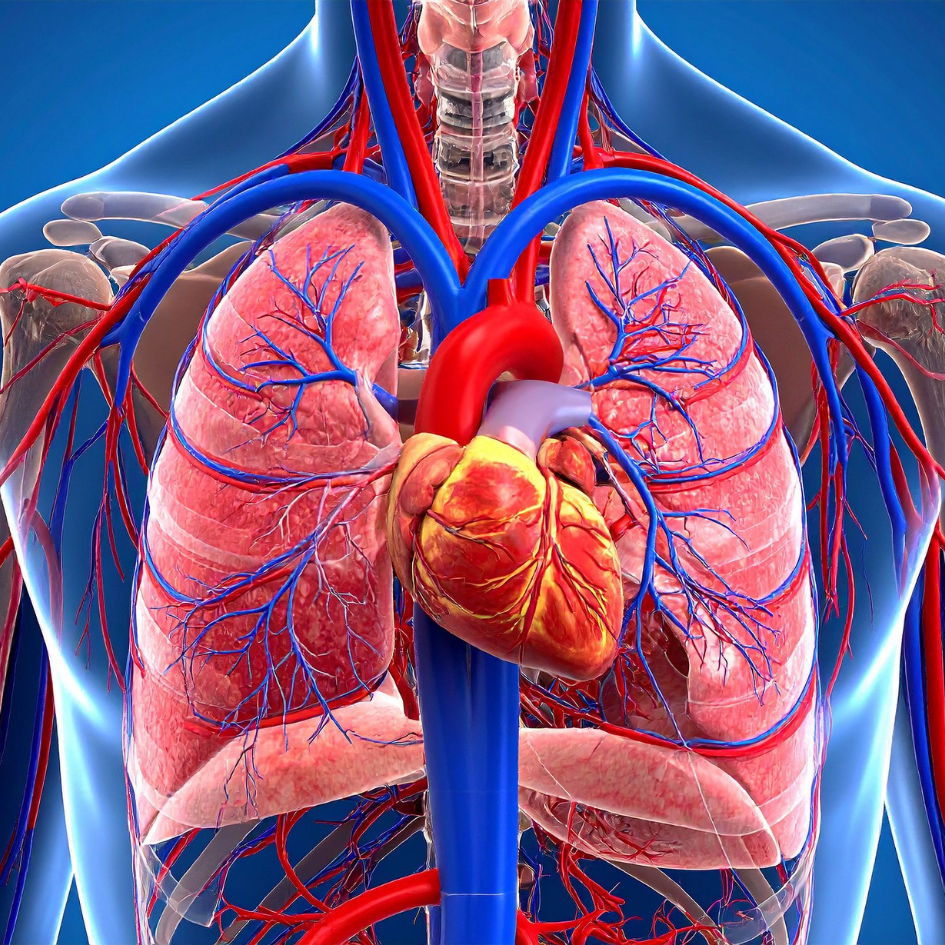
A heart attack occurs when the blood supply to a part of the heart muscle is blocked. This usually happens when a blood clot forms in the coronary arteries that supply blood to the heart.
When the heart muscle does not receive enough oxygen-rich blood, it can become damaged or die if treatment is delayed.
 Why Heart Attacks Are Increasing in Young Indians
Several lifestyle and health factors are responsible for the rising number of heart attacks among younger people:
1. Unhealthy Diet
Frequent consumption of processed food, high-fat meals, and sugary drinks can increase cholesterol levels and damage blood vessels.
2. Sedentary Lifestyle
Long hours of sitting, limited physical activity, and lack of exercise contribute to obesity and poor heart health.
3. Stress and Work Pressure
High stress levels, irregular sleep patterns, and demanding work schedules can negatively affect heart health.
4. Smoking and Tobacco Use
Smoking significantly increases the risk of heart disease by damaging blood vessels and reducing oxygen supply.
5. Diabetes and High Blood Pressure
These conditions are now being diagnosed in younger adults and greatly increase the risk of heart attack.
6. Family History
Genetic factors can also play a role in early heart disease.
Warning Signs of a Heart Attack
Heart attack symptoms may vary from person to person, but common warning signs include:
Chest pain or pressure
Pain spreading to the arm, neck, jaw, or back
Shortness of breath
Cold sweating
Nausea or dizziness
Unusual fatigue
⚠️ Important: If you experience chest pain or severe discomfort, seek immediate medical attention.
Risk Factors Young People Often Ignore
Many young adults assume they are too young to worry about heart disease, but certain habits increase the risk significantly:
Smoking or vaping
Lack of exercise
Excess weight or obesity
High stress levels
Poor sleep patterns
High cholesterol levels
Ignoring these factors can gradually damage the heart over time.
When Should You See a Doctor?
You should consult a doctor if you:
Experience chest discomfort or unexplained fatigue
Have high blood pressure, diabetes, or high cholesterol
Have a family history of heart disease
Notice shortness of breath during routine activities
Early detection and treatment can prevent serious complications.
Your Partner in Heart Care: Link Hospital, Gwalior
At Link Hospital, Gwalior, we provide comprehensive cardiac care with advanced diagnostic facilities and expert medical guidance to help detect heart problems early and manage risk factors effectively.
Take Heart Health Seriously — At Any Age
Heart attacks are no longer limited to older adults. With modern lifestyles and rising stress levels, younger individuals are also at risk. Staying aware of the warning signs and adopting healthy habits can help protect your heart for years to come.
📞 Schedule your heart health check-up at Link Hospital, Gwalior and take a proactive step toward a healthier future.